JAPAN KARATE-DŌ · INOUE-HA SHITŌ-RYŪ · KEISHIN-KAI
History & Lineage
Historia y linaje
ISKIA · International of America
From the two roots of Okinawan karate to the living tradition of Inoue-ha Shitō-ryū.
Desde las dos raíces del karate de Okinawa hasta la tradición viva de Inoue-ha Shitō-ryū.
01 · HERITAGE / PATRIMONIO
Two traditions, one enduring legacy
Dos tradiciones, un legado perdurable
Shitō-ryū was shaped by Kenwa Mabuni's study of two influential Okinawan teachers: Ankō Itosu of the Shuri-te tradition and Kanryō Higaonna of the Naha-te tradition. The name Shitō honors characters associated with both teachers' surnames.
Shitō-ryū se formó gracias al estudio de Kenwa Mabuni con dos maestros influyentes de Okinawa: Ankō Itosu, vinculado con Shuri-te, y Kanryō Higaonna, vinculado con Naha-te. El nombre Shitō rinde homenaje a caracteres de sus apellidos.
How to read this diagram: the top arrows represent two separate teacher traditions that meet in Mabuni. Names in the lower panel come from ISKIA's own heritage documents; this is not a verified unbroken series of teacher-to-pupil appointments.
Cómo leer el diagrama: las flechas superiores muestran dos tradiciones docentes distintas que convergen en Mabuni. Los nombres del recuadro inferior provienen de la documentación de ISKIA; no deben interpretarse como una sucesión de maestro a alumno plenamente comprobada.
HISTORICAL FOUNDATIONS · FUNDAMENTOS HISTÓRICOS
Before Itosu and Higaonna: Okinawa's earlier karate traditions
Antes de Itosu e Higaonna: tradiciones anteriores del karate de Okinawa
Kanga Sakugawa (佐久川寛賀) is remembered in traditional karate histories as an important early figure associated with Tōde and the Shuri region. Accounts of his life and exact teaching relationships differ, so the early genealogy should be read as traditional heritage, not a completely documented modern lineage.
Kanga Sakugawa (佐久川寛賀) es recordado en las historias tradicionales del karate como una figura temprana asociada con el Tōde y la región de Shuri. Los relatos de su vida y las relaciones exactas de enseñanza difieren, por lo que esta genealogía temprana representa una tradición histórica y no una cadena moderna completamente documentada.
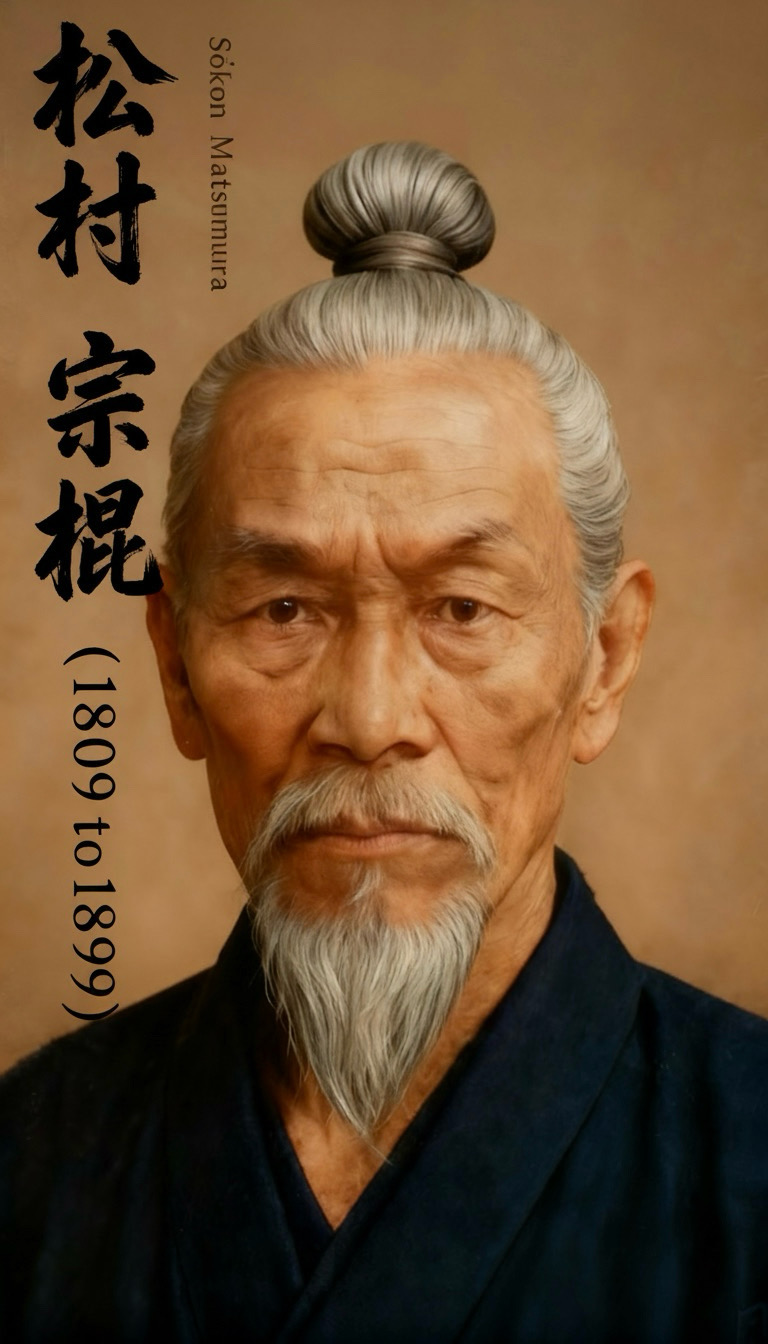
Sōkon Matsumura (松村宗棍), a major figure in Shuri-te history, is associated with the transmission and development of methods later studied in the Shuri tradition. Ankō Itosu is commonly connected to this stream. A simple overview of these traditional Shuri roots is Sakugawa → Matsumura → Itosu, with due caution about early documentary gaps.
Sōkon Matsumura (松村宗棍), figura importante del Shuri-te, está relacionado con la transmisión y el desarrollo de métodos conservados en la tradición de Shuri. Ankō Itosu suele vincularse con esta corriente. Una síntesis tradicional es Sakugawa → Matsumura → Itosu, teniendo presentes los vacíos documentales de los primeros períodos.
Tomari-te also contributed to Okinawan karate. Historical figures associated with Tomari include Kōsaku Matsumora and Kōkan Oyadomari. Tomari-te should not be mislabeled as a direct branch founded by Itosu.
Tomari-te también contribuyó al karate de Okinawa. Entre sus figuras históricas se encuentran Kōsaku Matsumora y Kōkan Oyadomari. No debe describirse a Itosu como fundador directo de Tomari-te.
Distinct lines at Mabuni: Shuri-te (via Itosu) and Naha-te (via Higaonna) are shown as parallel influences meeting in Kenwa Mabuni—not as Itosu teaching Higaonna or Higaonna teaching Itosu.
Corrientes distintas en Mabuni: Shuri-te (por Itosu) y Naha-te (por Higaonna) se presentan como influencias paralelas que confluyen en Kenwa Mabuni; no como una relación docente directa entre Itosu e Higaonna.
02 · 首里手 SHURI-TE
Ankō Itosu · 糸洲安恒 (1831–1915)
Ankō Itosu became one of the most influential teachers in the transition of Okinawan karate from private practice to organized instruction. Associated with the Shuri tradition and with the earlier teachings of Sōkon Matsumura, he helped make karate accessible to younger students through systematic teaching methods.
Ankō Itosu fue uno de los maestros más influyentes en la transición del karate de Okinawa desde la enseñanza privada hacia la instrucción organizada. Vinculado con la tradición de Shuri y las enseñanzas anteriores de Sōkon Matsumura, contribuyó a adaptar la enseñanza para estudiantes jóvenes.
He is closely associated with the development and teaching of the Pinan kata series, fundamental to karate education. His 1908 letter outlining principles for karate instruction remains a major historical reference. Among his students was Kenwa Mabuni, who later founded Shitō-ryū.
Está especialmente relacionado con el desarrollo y la enseñanza de las kata Pinan, fundamentales en la educación del karate. Su carta de 1908 sobre los principios de enseñanza sigue siendo una fuente histórica importante. Entre sus alumnos estuvo Kenwa Mabuni, futuro fundador de Shitō-ryū.
03 · 那覇手 NAHA-TE
Kanryō Higaonna · 東恩納寛量 (1853–1915)
Kanryō Higaonna was a leading figure in Naha-te. Traditional accounts describe his extended study of Chinese martial arts in Fuzhou, Fujian, including instruction associated with a teacher remembered as Ryū Ryū Ko. The precise details of his China training vary across sources and should not be presented as definitively established.
Kanryō Higaonna fue una figura central del Naha-te. Los relatos tradicionales describen sus estudios prolongados de artes marciales chinas en Fuzhou, Fujian, incluidos conocimientos atribuidos a un maestro recordado como Ryū Ryū Ko. Los detalles precisos de ese aprendizaje varían entre las fuentes y no deben presentarse como completamente demostrados.
His teaching emphasized conditioning, breathing, rooted posture, close-range methods and kata such as Sanchin. His students included Chōjun Miyagi, associated with the development of Gōjū-ryū, and Kenwa Mabuni, whose study of Higaonna's teaching contributed to Shitō-ryū.
Sus enseñanzas enfatizaban el acondicionamiento, la respiración, la estabilidad postural, las técnicas a corta distancia y kata como Sanchin. Entre sus discípulos estuvieron Chōjun Miyagi, vinculado al desarrollo del Gōjū-ryū, y Kenwa Mabuni, quien incorporó estas influencias al Shitō-ryū.
04 · 糸東流 SHITŌ-RYŪ
Kenwa Mabuni · 摩文仁賢和 (1889–1952)
Born in Shuri, Kenwa Mabuni studied with Ankō Itosu and later with Kanryō Higaonna. He maintained and investigated a remarkably broad kata repertoire, while also learning from other Okinawan and Chinese martial artists. His Shitō-ryū tradition brought together elements associated with Shuri-te and Naha-te; its name commemorates Itosu and Higaonna.
Nacido en Shuri, Kenwa Mabuni estudió con Ankō Itosu y después con Kanryō Higaonna. Preservó e investigó un repertorio extraordinariamente amplio de kata y también aprendió de otros maestros de Okinawa y de las artes marciales chinas. La tradición Shitō-ryū reunió elementos de Shuri-te y Naha-te; su nombre honra a Itosu e Higaonna.
The founders of these traditions did not all teach one another in the sequence sometimes shown on ceremonial scrolls. A historical genealogy should use branching connections wherever teachers or influences were contemporary.
Los fundadores de estas tradiciones no se enseñaron entre sí en la secuencia única que aparece en algunos pergaminos ceremoniales. Una genealogía histórica debe usar ramas cuando maestros o influencias fueron contemporáneos.
05 · ISKIA
The ISKIA heritage record
El registro del linaje ISKIA
The following figures appear in ISKIA's previously prepared historical manuscripts and lineage brochures. The earlier Shuri-te and Naha-te lines converge at Mabuni. Later names represent institutional or technical affiliations recorded by ISKIA; individual teacher-student relationships, dates and succession claims must be corroborated before they are stated as direct historical facts.
Las siguientes figuras aparecen en los manuscritos históricos y folletos de linaje preparados anteriormente para ISKIA. Las líneas de Shuri-te y Naha-te convergen en Mabuni. Los nombres posteriores representan afiliaciones institucionales o técnicas registradas por ISKIA; las relaciones directas, fechas y sucesiones deben corroborarse antes de afirmarse como hechos históricos.
01
Kanga Sakugawa
佐久川寛賀
Early Okinawan tōde traditionTradición antigua del tōde de Okinawa
02
Sōkon Matsumura
松村宗棍
Shuri-te transmissionTransmisión de Shuri-te
03
Ankō Itosu
糸洲安恒
Shuri-te teacher of MabuniMaestro de Shuri-te de Mabuni
04
Kanryō Higaonna
東恩納寛量
Naha-te teacher of MabuniMaestro de Naha-te de Mabuni
05
Kenwa Mabuni
摩文仁賢和
Founder of Shitō-ryūFundador de Shitō-ryū
06
Kōsei Kokuba (Kuniba)
國場幸盛
Named in ISKIA lineage materials; documentation to verifyFigura del linaje ISKIA; documentar relación
ISKIA President; 8th DanPresidente de ISKIA; 8.º Dan
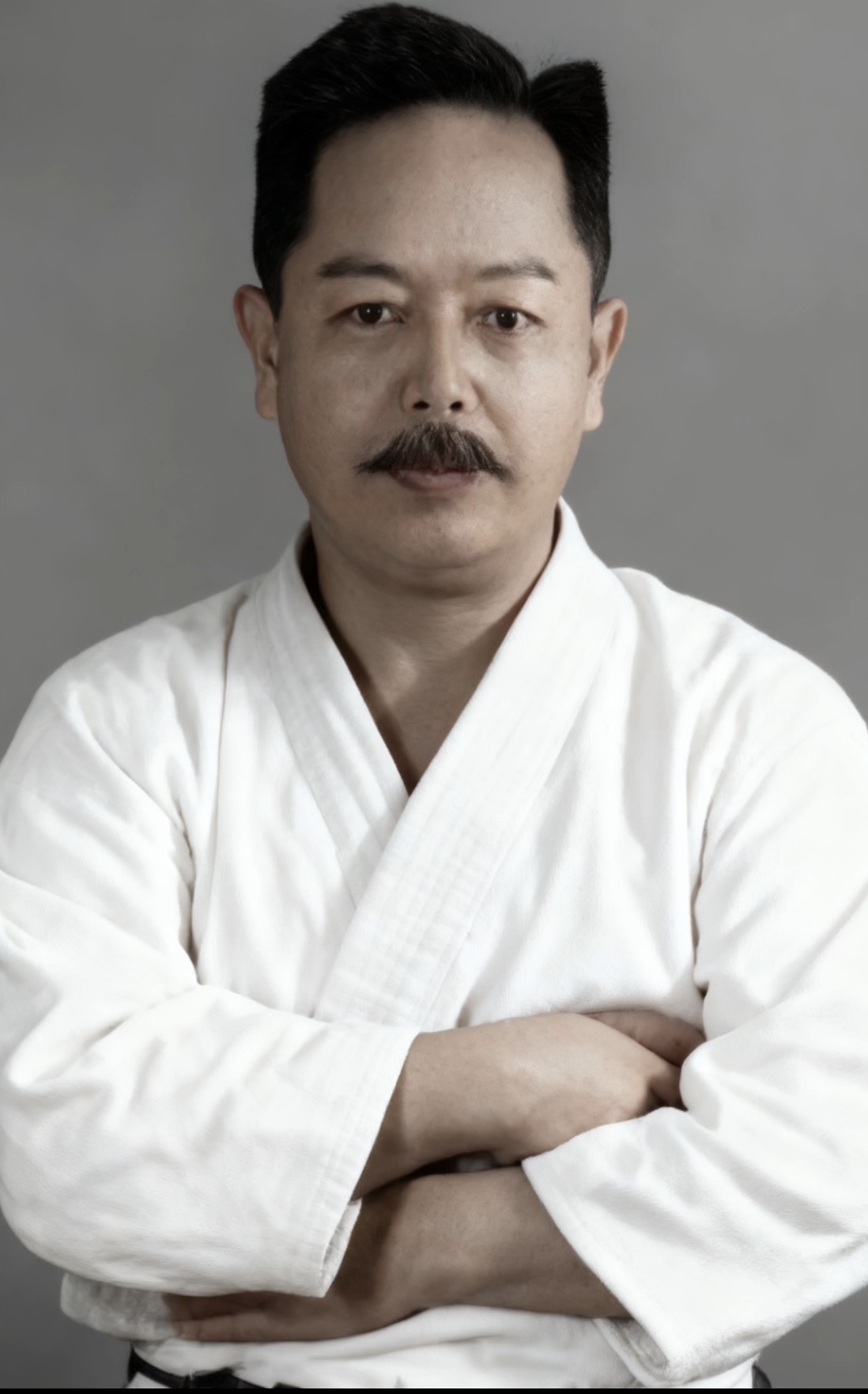
ISKIA is led by Kyoshi Julio Martínez, 8th Dan. This page preserves the organization's stated heritage while distinguishing it from independent historical proof.
ISKIA está presidida por Kyoshi Julio Martínez, 8.º Dan. Esta página conserva el legado declarado por la organización y lo distingue de la comprobación histórica independiente.
05A · JAPAN / JAPÓN
Current Sōke and leadership in Japan
Sōke actual y dirección en Japón
Following the passing of the founding Sōke Yoshimi Inoue in 2015, Japan Karate-do Inoue-ha Shitō-ryū Keishin-kai identifies Masahiro Okamura as its second-generation Sōke and Yukio Okamura as its Kaichō (chairman). Their positions represent the present organizational succession in Japan.
Tras el fallecimiento del Sōke fundador Yoshimi Inoue en 2015, Japan Karate-do Inoue-ha Shitō-ryū Keishin-kai identifica a Masahiro Okamura como su Sōke de segunda generación y a Yukio Okamura como su Kaichō (presidente). Sus cargos representan la sucesión organizativa actual en Japón.
二代目宗家 · SECOND SŌKE
Masahiro Okamura
岡村将広
Current Sōke · Inoue-ha Shitō-ryū Keishin-kai · JapanSōke actual · Inoue-ha Shitō-ryū Keishin-kai · Japón
Lineage distinction: Sōke Masahiro Okamura is acknowledged as current head of the organization in Japan, not as Kyoshi Julio Martínez's personal instructor. Kyoshi Martínez's own training relationship and the organizational succession are presented separately.
Distinción de linaje: Se reconoce al Sōke Masahiro Okamura como cabeza actual de la organización en Japón, no como instructor personal de Kyoshi Julio Martínez. Su relación de formación y la sucesión institucional se presentan por separado.
Mabuni studied the Shuri-te tradition under Ankō Itosu and the Naha-te tradition under Kanryō Higaonna. His broad approach preserved kata and methods learned from several Okinawan teachers. He moved to Osaka in 1929 and established the Yōshūkan dōjō in 1934. The name Shitō-ryū honors the first characters of Itosu and Higaonna. This is a meeting of major traditions—not a single linear succession between the two teachers.
Mabuni estudió la tradición Shuri-te con Ankō Itosu y la tradición Naha-te con Kanryō Higaonna. Su enfoque amplio conservó kata y métodos de varios maestros okinawenses. Se trasladó a Osaka en 1929 y estableció el dōjō Yōshūkan en 1934. El nombre Shitō-ryū honra los primeros caracteres de Itosu e Higaonna. Se trata de la confluencia de grandes tradiciones, no de una sucesión lineal entre ambos maestros.
Kōsei Kuniba (Kokuba) · 国場幸盛
Kōsei Kuniba was a significant transmitter of Mabuni's Shitō-ryū and a central teacher in the Seishin-kai heritage. According to the Japanese Inoue-ha organization's history, Kuniba provided Teruo Hayashi's foundational daily instruction. The spellings Kuniba and Kokuba appear in different romanizations and historical references.
Kōsei Kuniba fue un importante transmisor del Shitō-ryū de Mabuni y figura central del legado Seishin-kai. Según la historia publicada por la organización Inoue-ha en Japón, Kuniba proporcionó la instrucción cotidiana fundamental de Teruo Hayashi. Las formas Kuniba y Kokuba aparecen en distintas romanizaciones y referencias históricas.
Teruo Hayashi · 林輝男
Teruo Hayashi founded Hayashi-ha Shitō-ryū and developed Kenshin-ryū Kobudō. Building on his Shitō-ryū foundation under Kōsei Kuniba, he studied Okinawan traditions associated with Shōshin Nagamine and Kenkō Nakaima, including Ryūei-ryū. Hayashi led the Seishin-kai organization from 1959 until 1970, when he transferred leadership to Shōgō Kuniba. The Japanese Inoue-ha history identifies Hayashi as Yoshimi Inoue's principal teacher.
Teruo Hayashi fundó Hayashi-ha Shitō-ryū y desarrolló Kenshin-ryū Kobudō. A partir de su formación en Shitō-ryū con Kōsei Kuniba, estudió tradiciones okinawenses asociadas con Shōshin Nagamine y Kenkō Nakaima, entre ellas Ryūei-ryū. Dirigió Seishin-kai desde 1959 hasta 1970, cuando entregó la dirección a Shōgō Kuniba. La historia oficial de Inoue-ha identifica a Hayashi como maestro principal de Yoshimi Inoue.
Yoshimi Inoue · 井上義己 (1946–2015)
Born in Tottori, Yoshimi Inoue began studying Shitō-ryū as a teenager and traveled to Osaka to train under Teruo Hayashi. He became Hayashi's sole live-in disciple (uchi-deshi), undertaking rigorous practice and assisting with instruction. Inoue later established a dōjō in Tottori and gained international recognition as a kata coach. After remaining within Hayashi-ha during his teacher's lifetime, he established Inoue-ha Shitō-ryū Keishin-kai following Hayashi's passing in 2004. His teaching connected technical precision, disciplined repetition and the moral responsibilities of Budō.
Nacido en Tottori, Yoshimi Inoue comenzó a estudiar Shitō-ryū durante su adolescencia y viajó a Osaka para entrenar con Teruo Hayashi. Se convirtió en su único discípulo residente (uchi-deshi), realizando una práctica rigurosa y colaborando en la enseñanza. Posteriormente estableció un dōjō en Tottori y alcanzó reconocimiento internacional como entrenador de kata. Permaneció en Hayashi-ha durante la vida de su maestro y estableció Inoue-ha Shitō-ryū Keishin-kai después del fallecimiento de Hayashi en 2004. Su enseñanza vinculó precisión técnica, repetición disciplinada y los deberes morales del Budō.
Minobu Miki · 三木稔夫
Minobu Miki appears in ISKIA's historical heritage sequence. The precise nature and chronology of his association with other figures in this record still require supporting documents or testimony. Until verified, this entry acknowledges the organization's archive without declaring a direct instructional succession.
Minobu Miki figura en la secuencia histórica de ISKIA. La naturaleza y cronología exactas de su relación con otras figuras de este registro todavía requieren documentos o testimonios. Hasta verificarlas, esta entrada reconoce el archivo de la organización sin declarar una sucesión docente directa.
Kyoshi Julio Martínez · 教士 フリオ・マルティネス
Kyoshi Julio Martínez, 8th Dan, serves as President of ISKIA International of America and carries forward the organization's educational mission from its Hombu Dōjō in Villa Olga, Santiago de los Caballeros, Dominican Republic. The ISKIA historical record identifies his work in promoting Inoue-ha Shitō-ryū, Kobudō, Iaido and international dōjō cooperation. Individual lineage certificates, appointments and historical photographs should be attached to the archive as primary evidence where available.
Kyoshi Julio Martínez, 8.º Dan, preside ISKIA International of America y continúa su misión educativa desde el Hombu Dōjō de Villa Olga, Santiago de los Caballeros, República Dominicana. El registro histórico de ISKIA documenta su labor en la difusión de Inoue-ha Shitō-ryū, Kobudō, Iaido y la cooperación internacional entre dōjōs. Los certificados de linaje, nombramientos y fotografías históricas deberán incorporarse al archivo como fuentes primarias cuando estén disponibles.
Editorial distinction: The documented instructional connections Kuniba → Hayashi → Inoue are supported by the Japanese organization. Mabuni's earlier teachers are two parallel branches, and the extended ISKIA heritage sequence is not automatically a chain of consecutive direct teachers.
Distinción editorial: Las conexiones docentes Kuniba → Hayashi → Inoue están respaldadas por la organización japonesa. Los maestros anteriores de Mabuni representan dos ramas paralelas y la secuencia patrimonial de ISKIA no constituye automáticamente una cadena de maestros directos consecutivos.
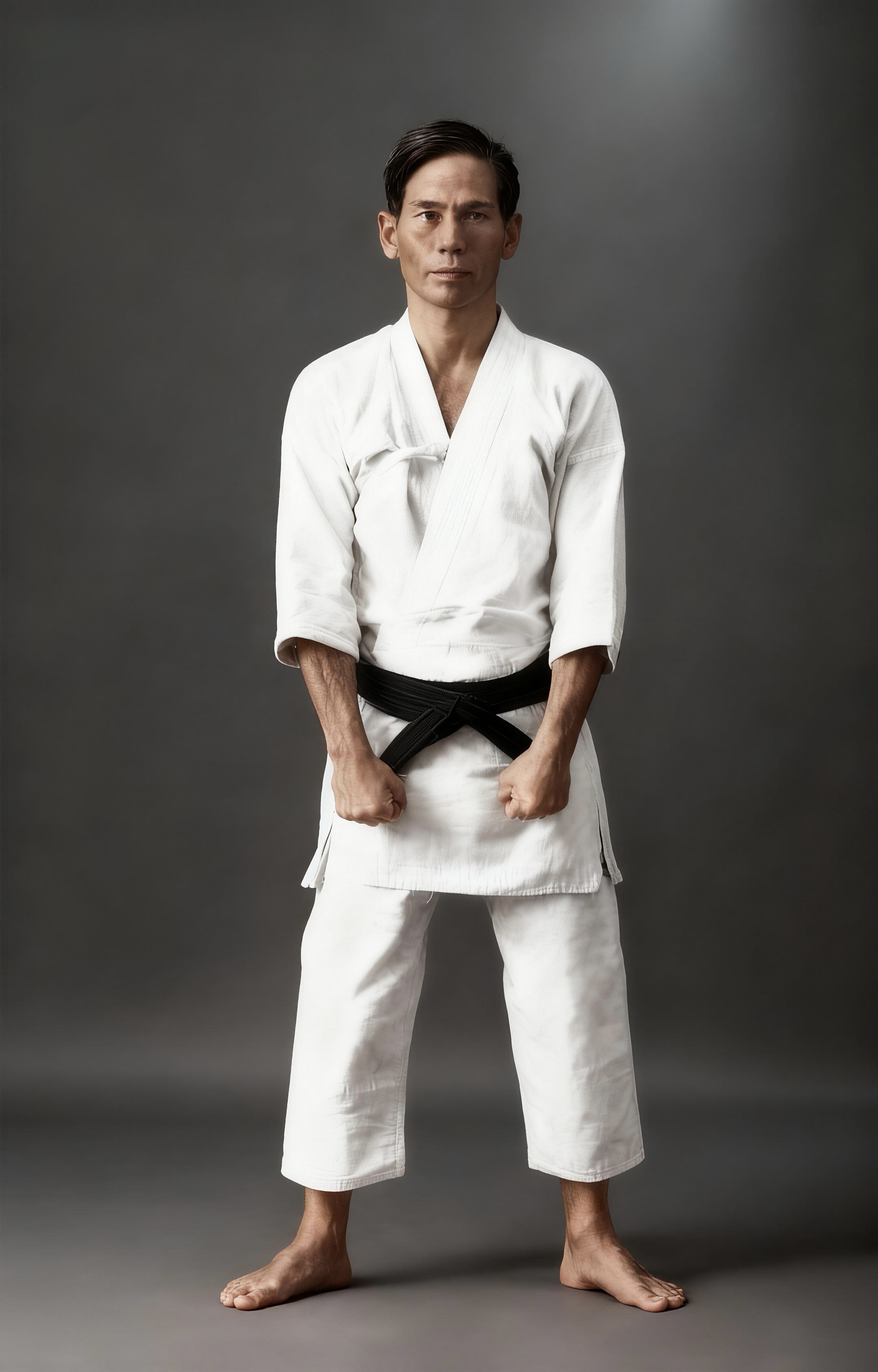
Editorial basis: ISKIA's April 10 and April 21, 2026 manuscripts; recovered July 31, 2026 brochure files; and the external historical references below. Historical dates, portraits, kanji and direct teacher relationships should be reviewed by ISKIA before permanent publication. No generated portraits are used in this page.
Base editorial: manuscritos de ISKIA del 10 y 21 de abril de 2026; folletos recuperados del 31 de julio de 2026; y las referencias históricas externas indicadas a continuación. ISKIA debe revisar fechas, retratos, kanji y relaciones directas antes de la publicación definitiva. Esta página no utiliza retratos generados.
Image policy: Insert only original, rights-cleared historical portraits and ISKIA's approved locked crest/photo assets. Never regenerate or retouch Kyoshi's authentic photo or the official crest. Archival posters are intentionally unmodified.
Política de imágenes: incorporar únicamente retratos históricos originales con permiso de uso y los archivos oficiales de ISKIA aprobados. Nunca regenerar ni retocar la fotografía auténtica de Kyoshi ni el escudo oficial. Los afiches archivados permanecen intactos.
師範系譜 · 歴史資料
Masters & Lineage · Historical Photo Archive
Maestros y linaje · Archivo fotográfico histórico
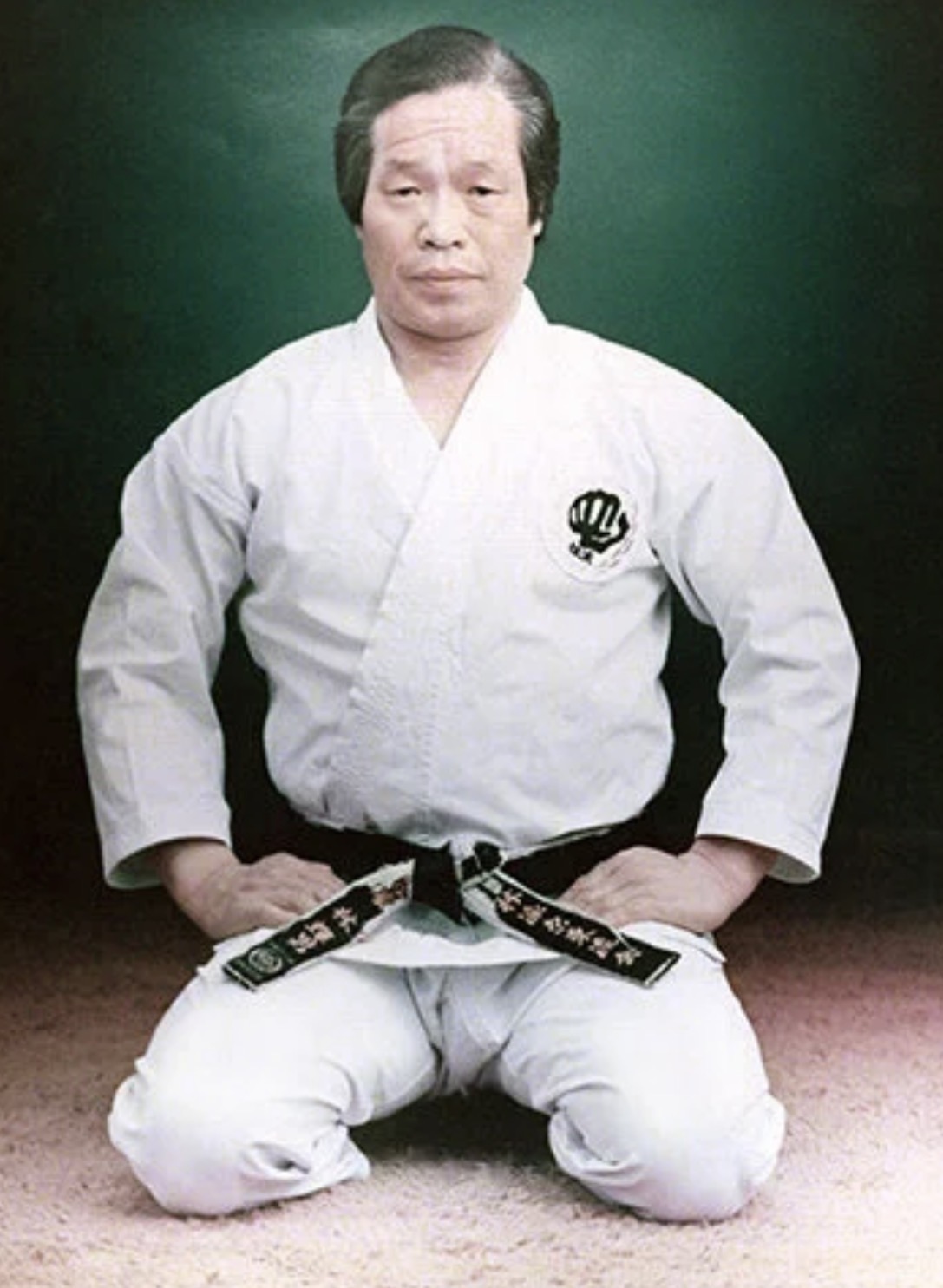
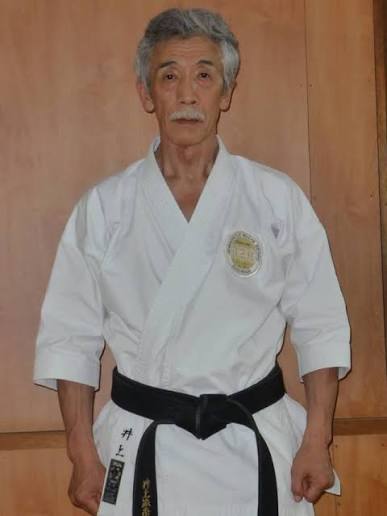
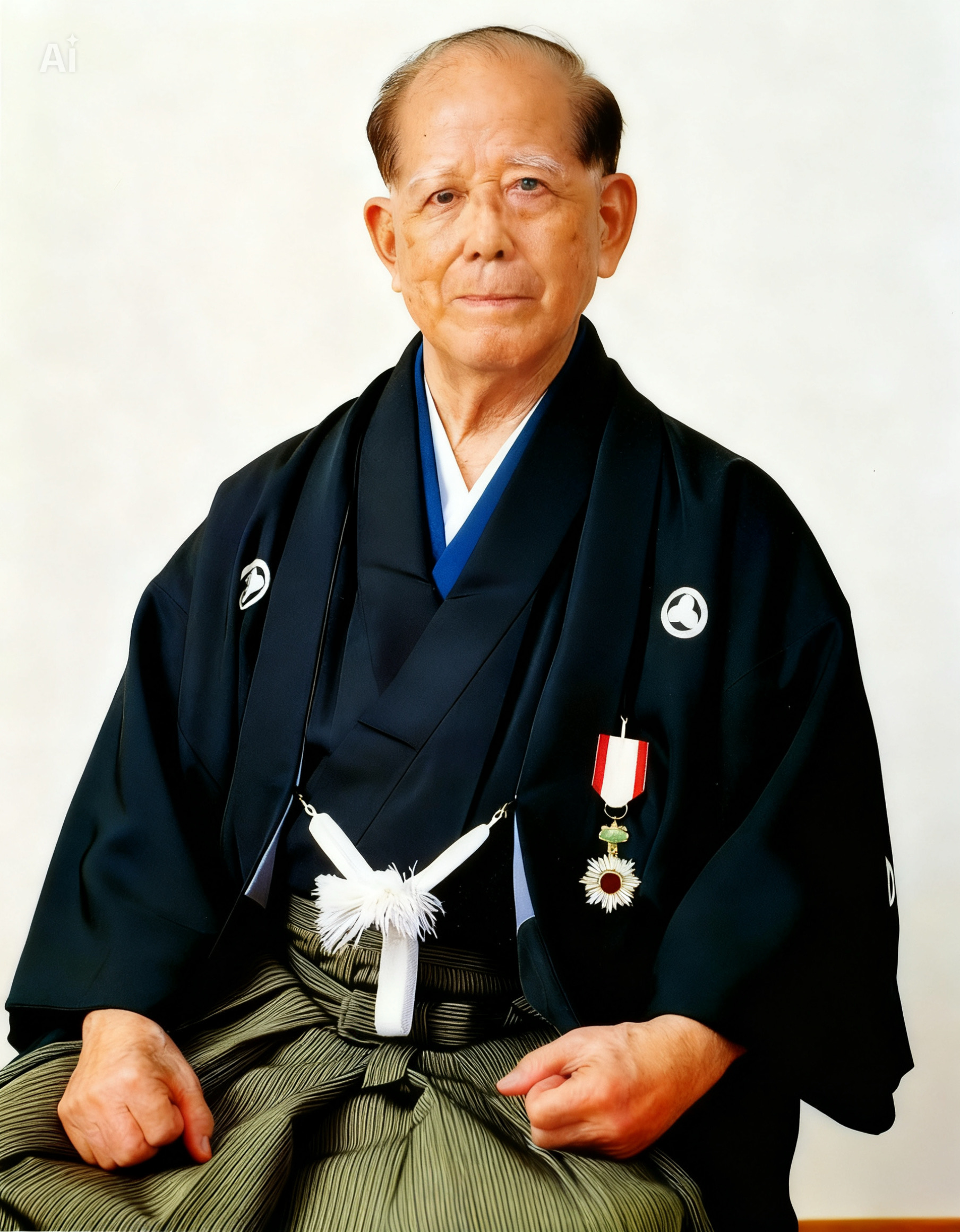
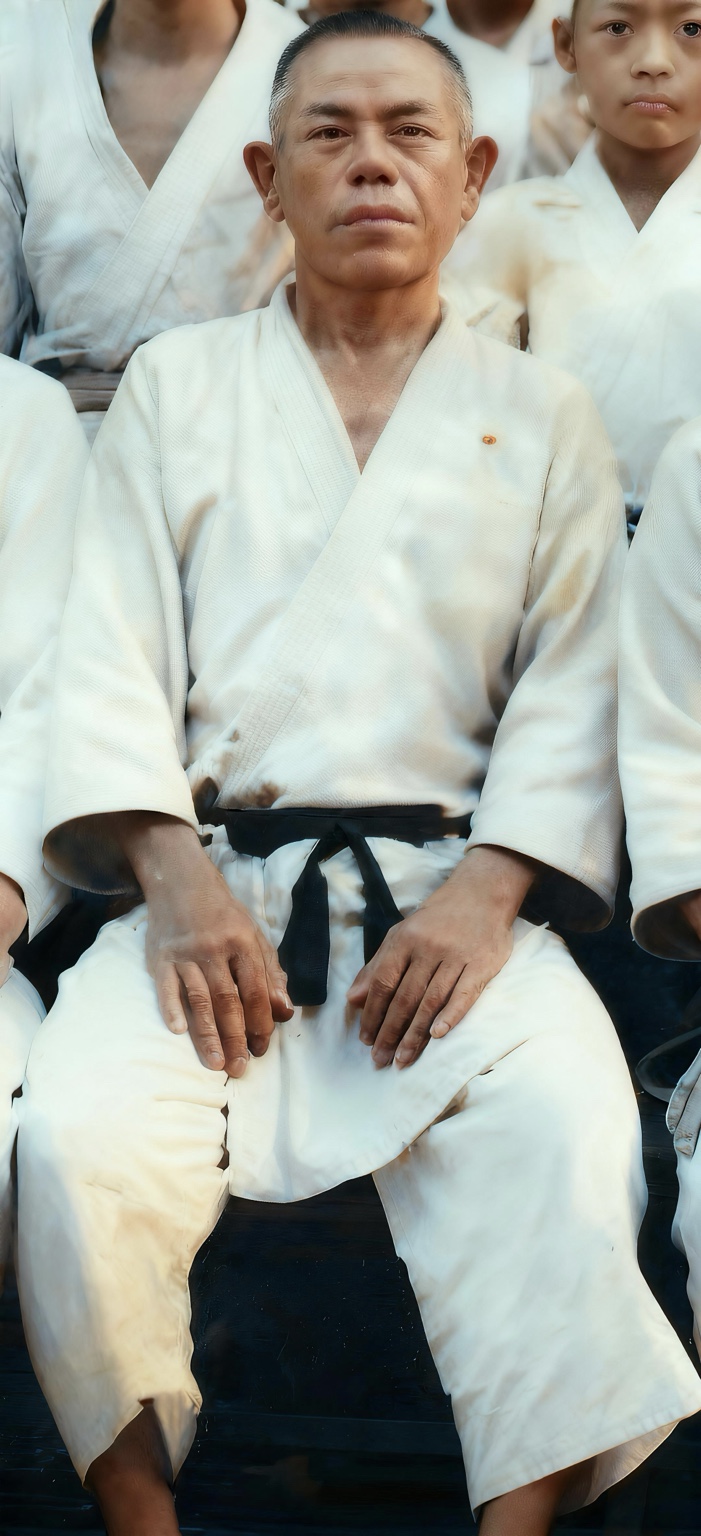
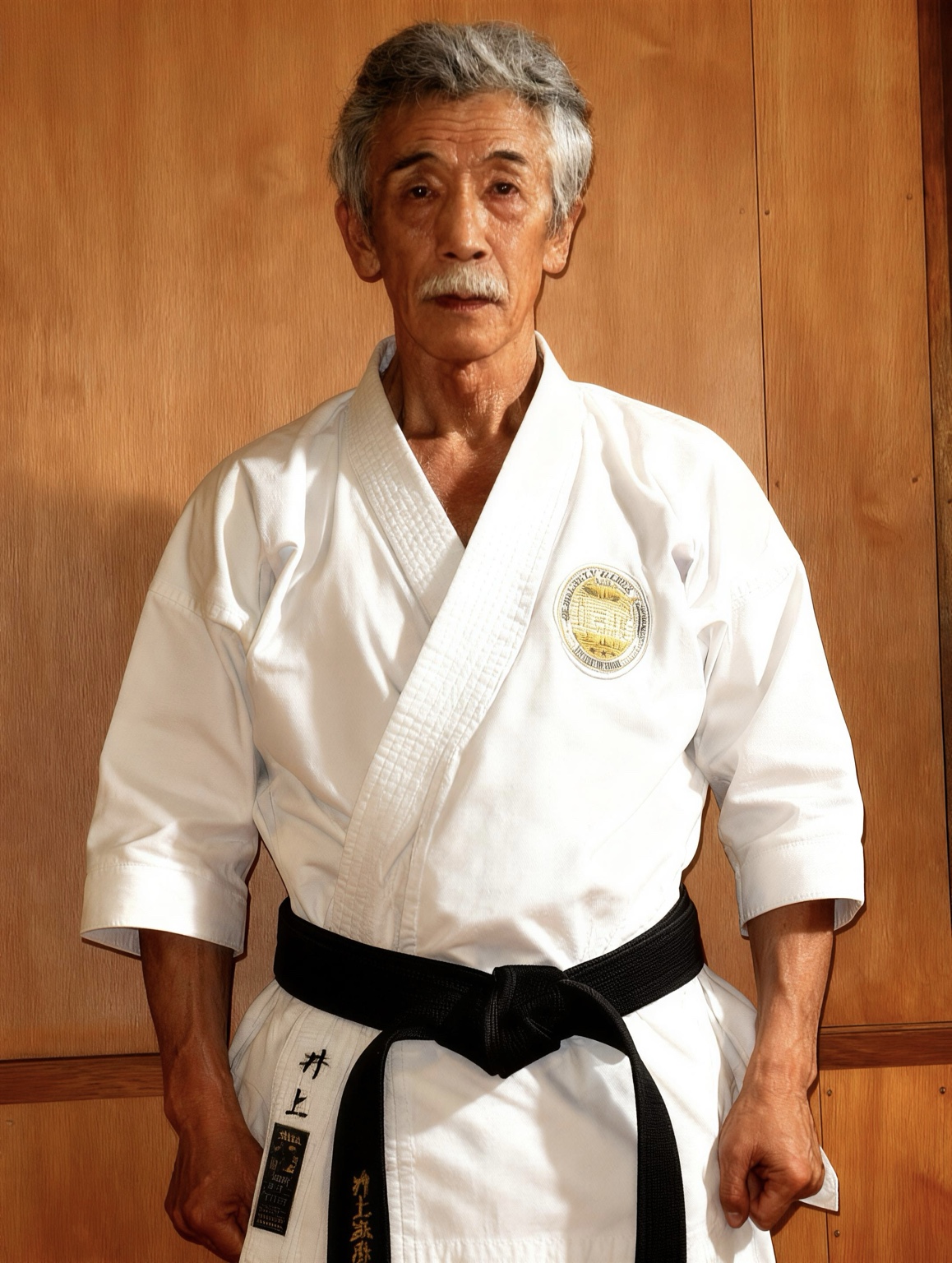
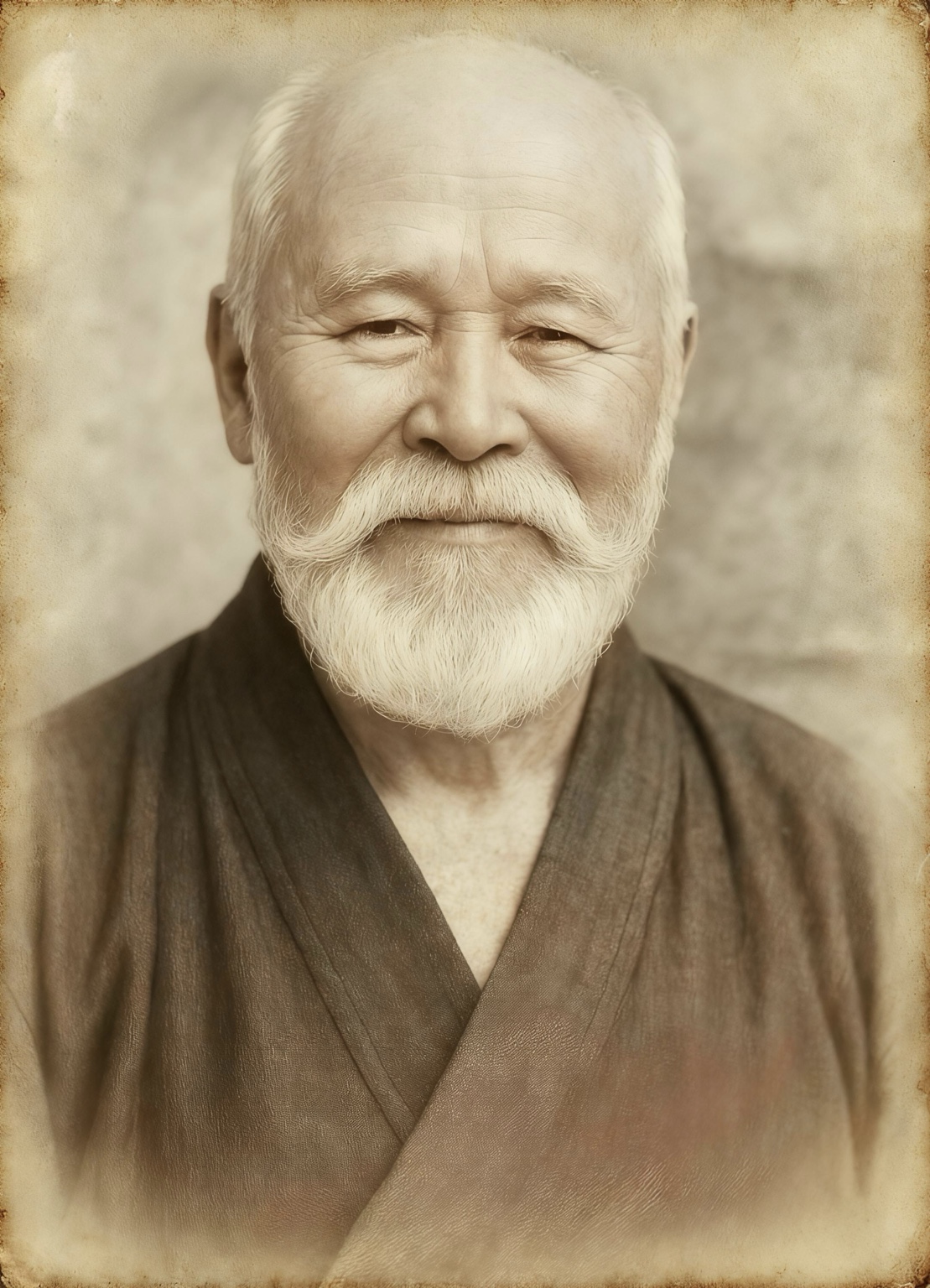
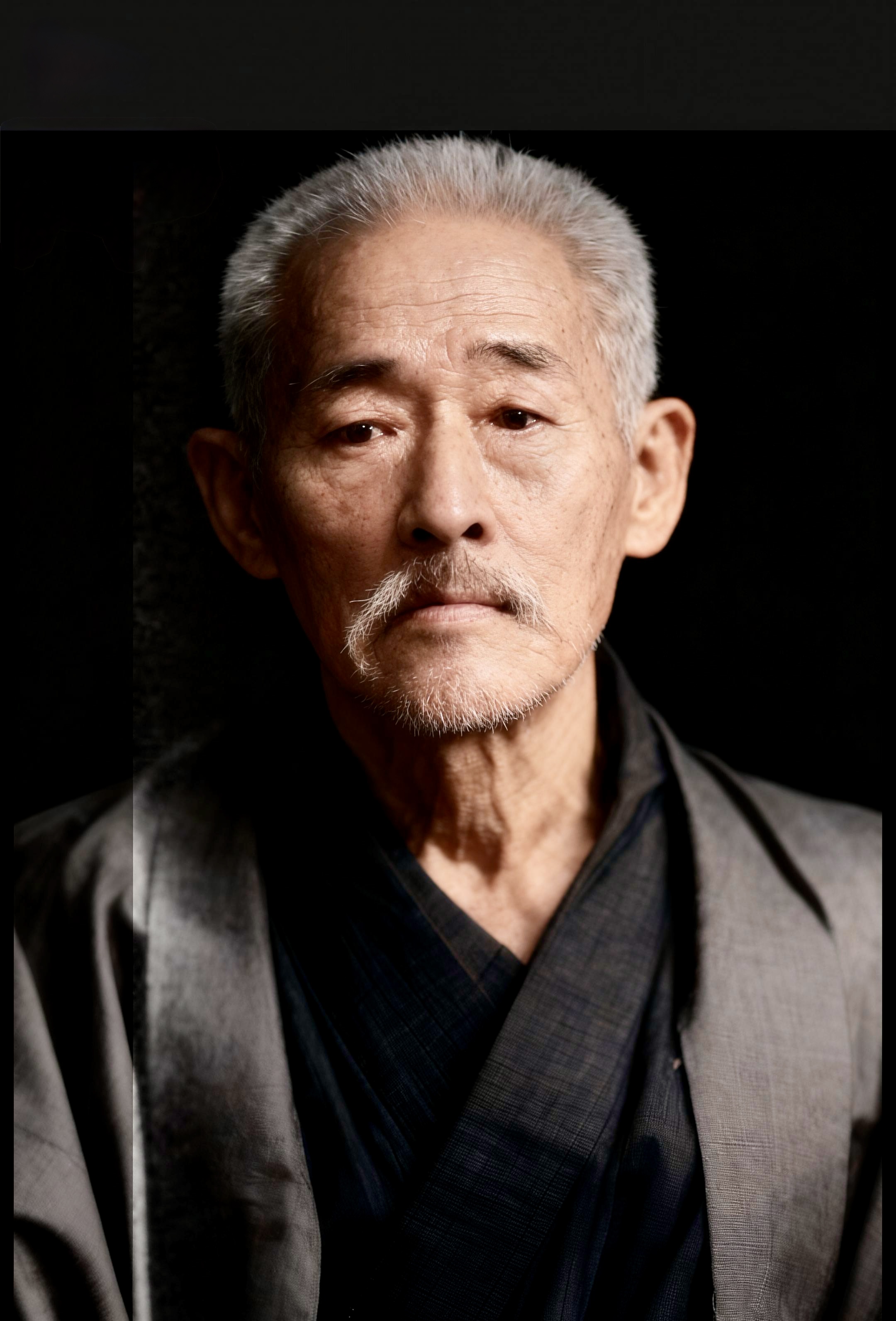
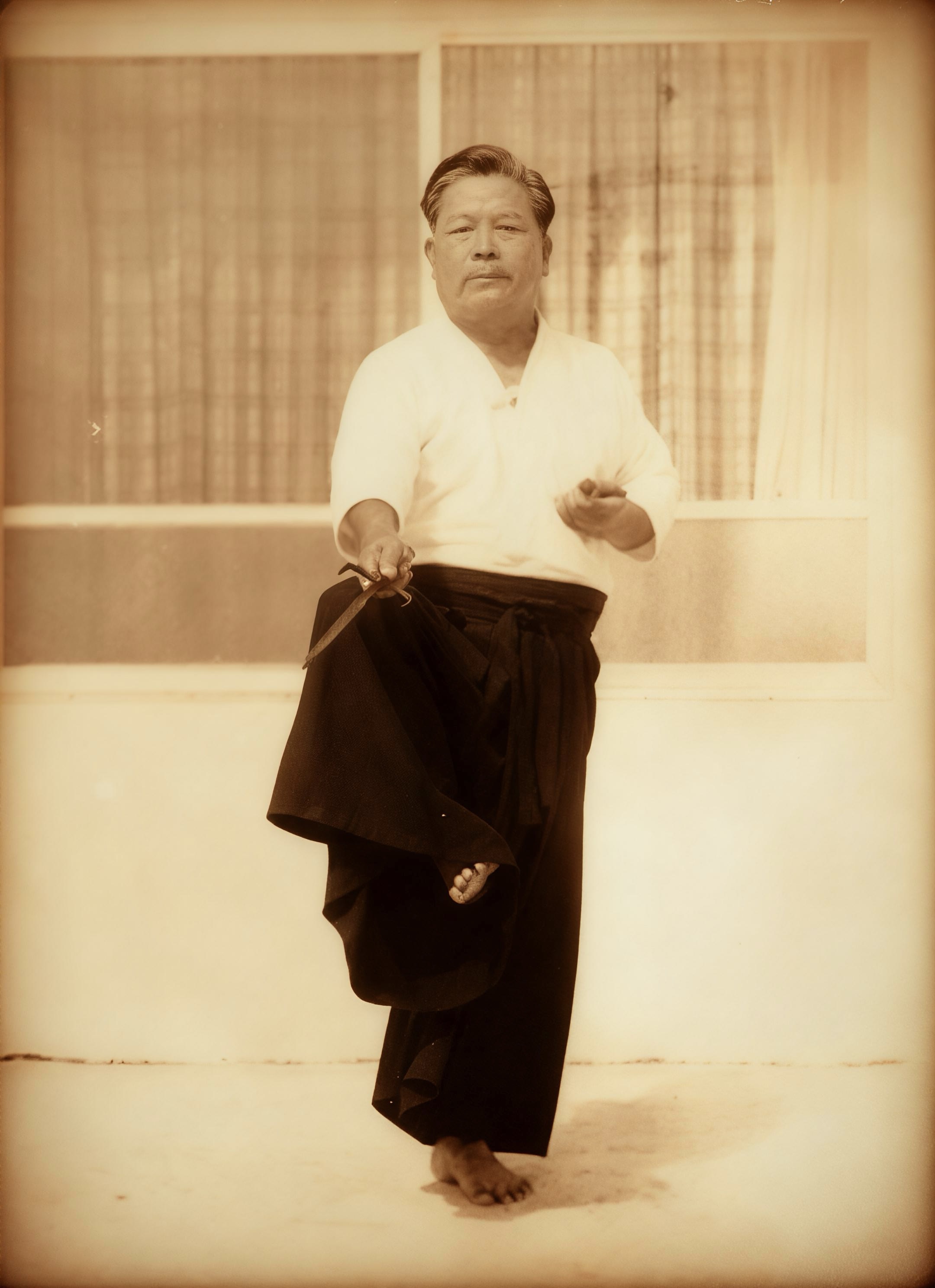
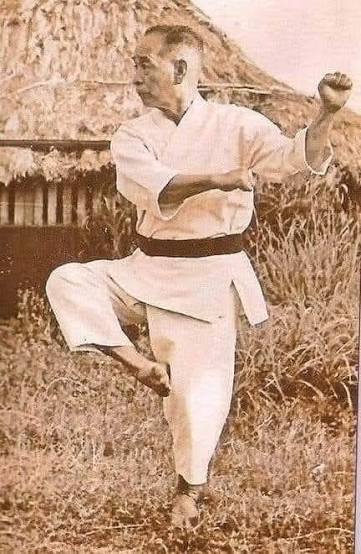
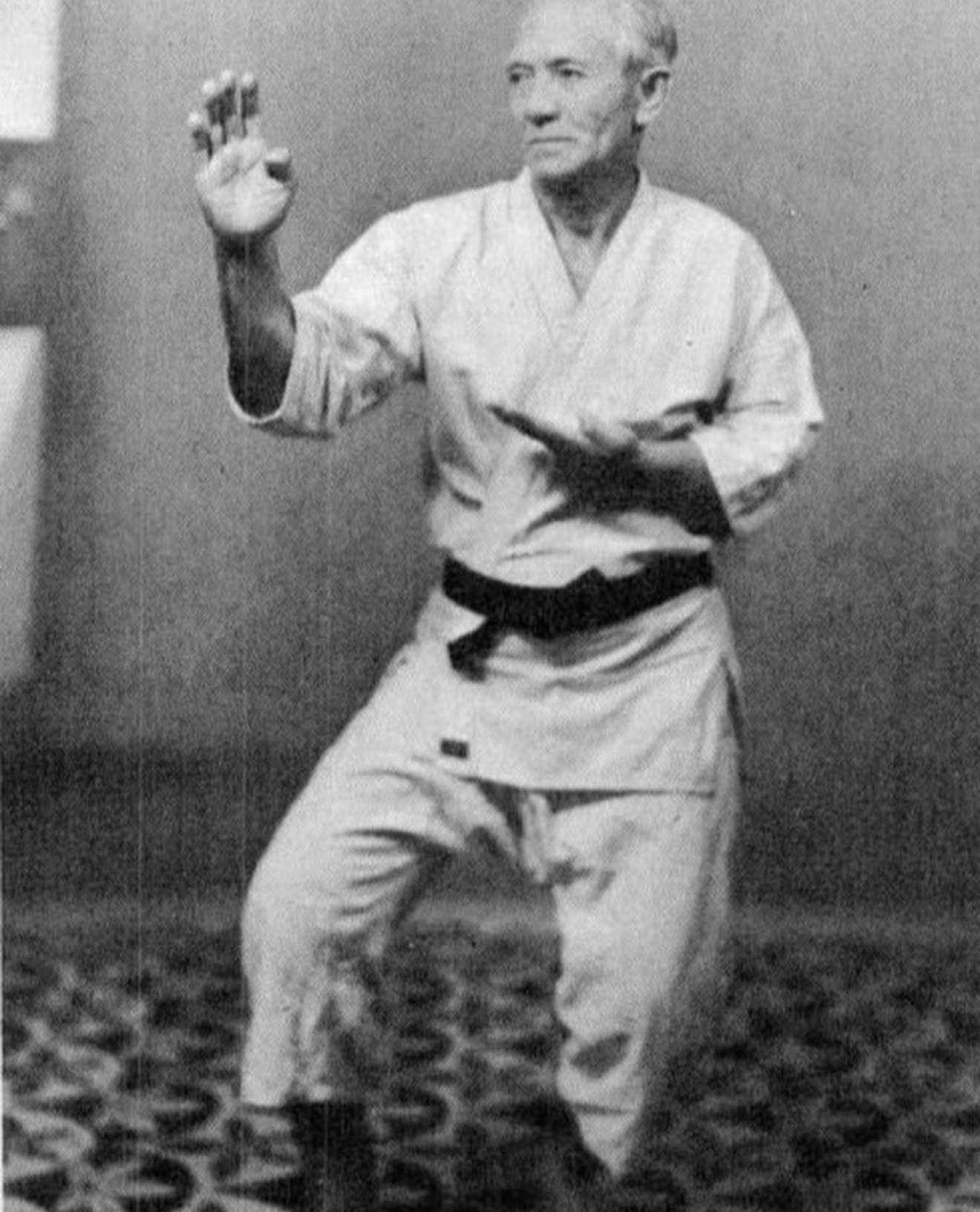
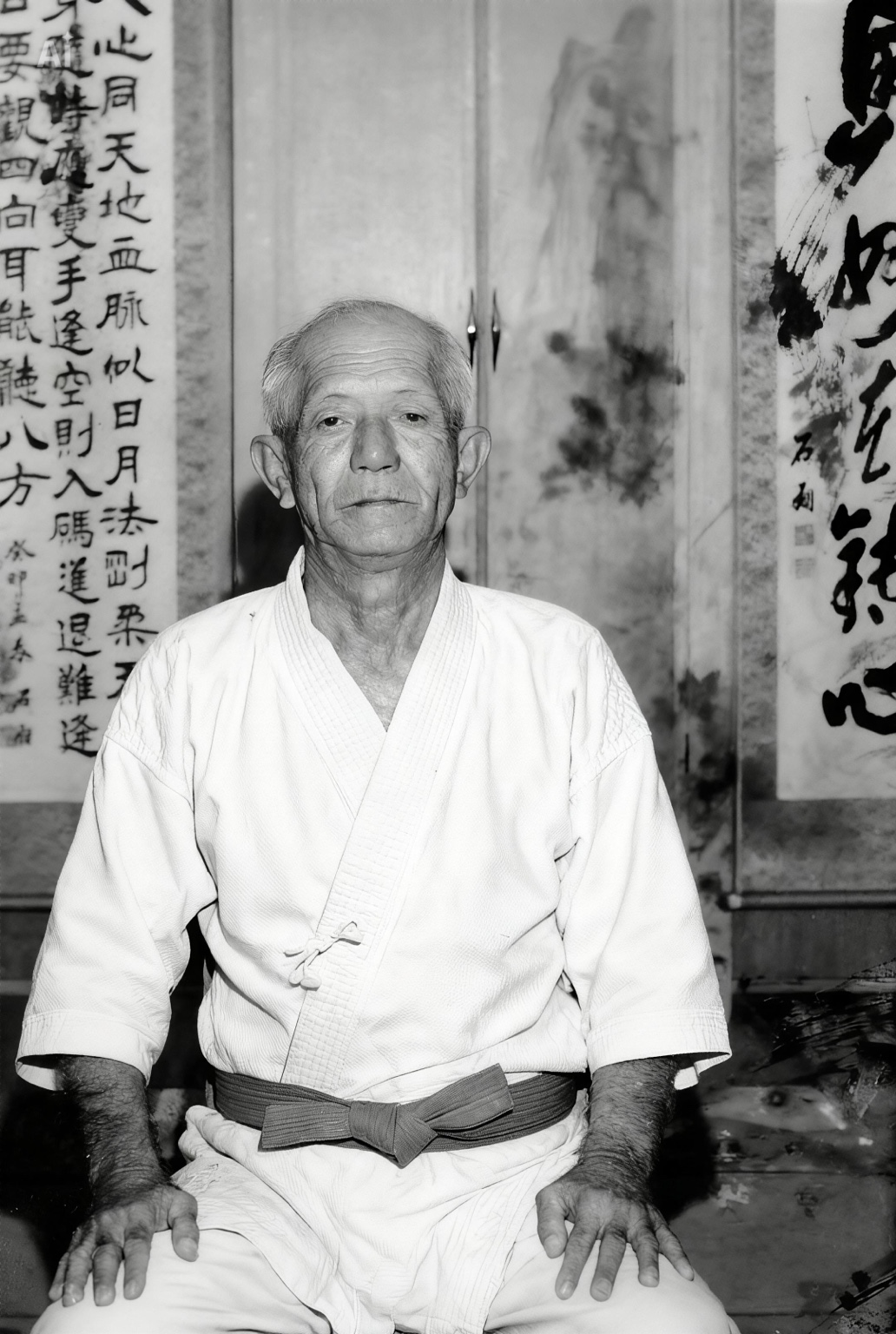
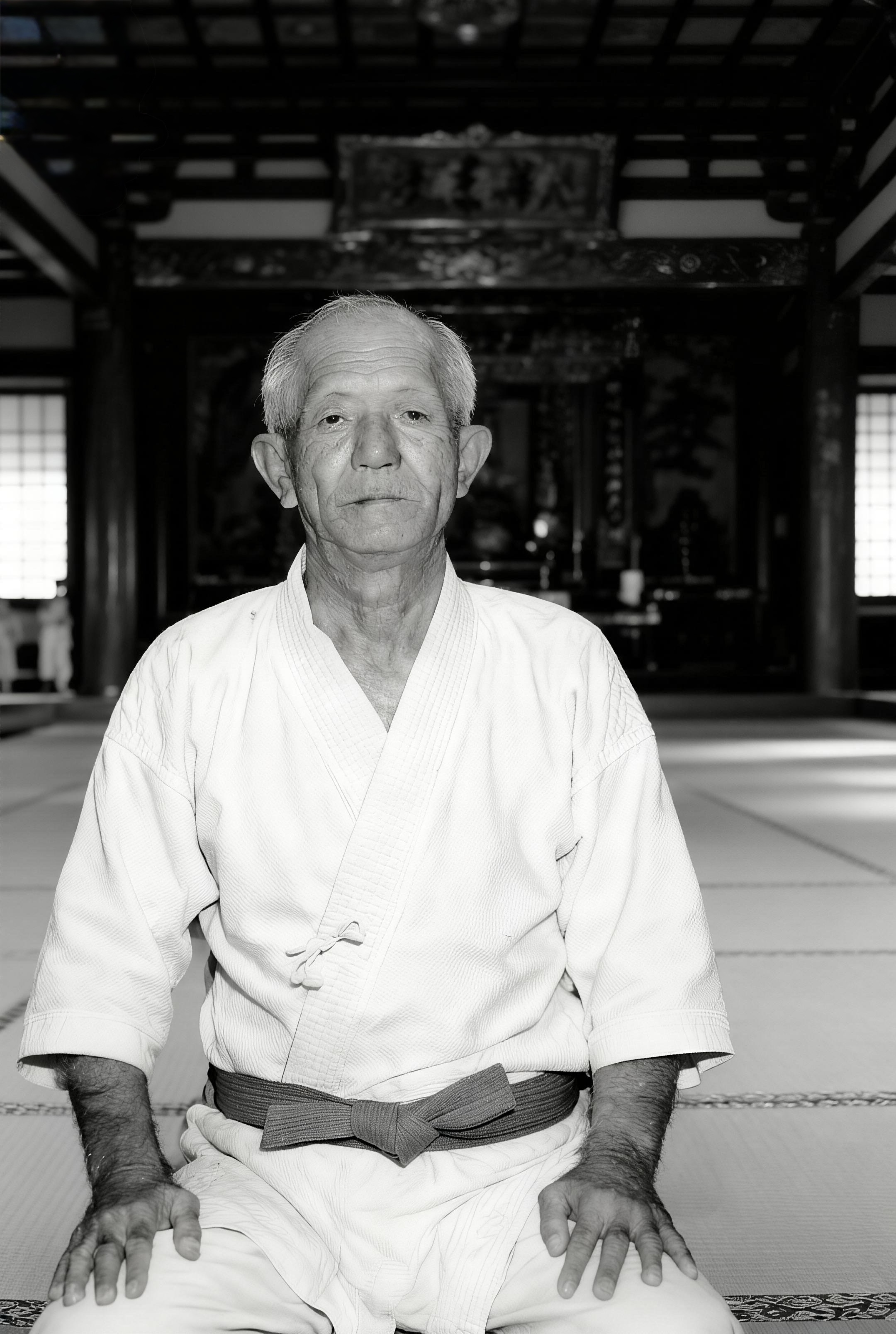
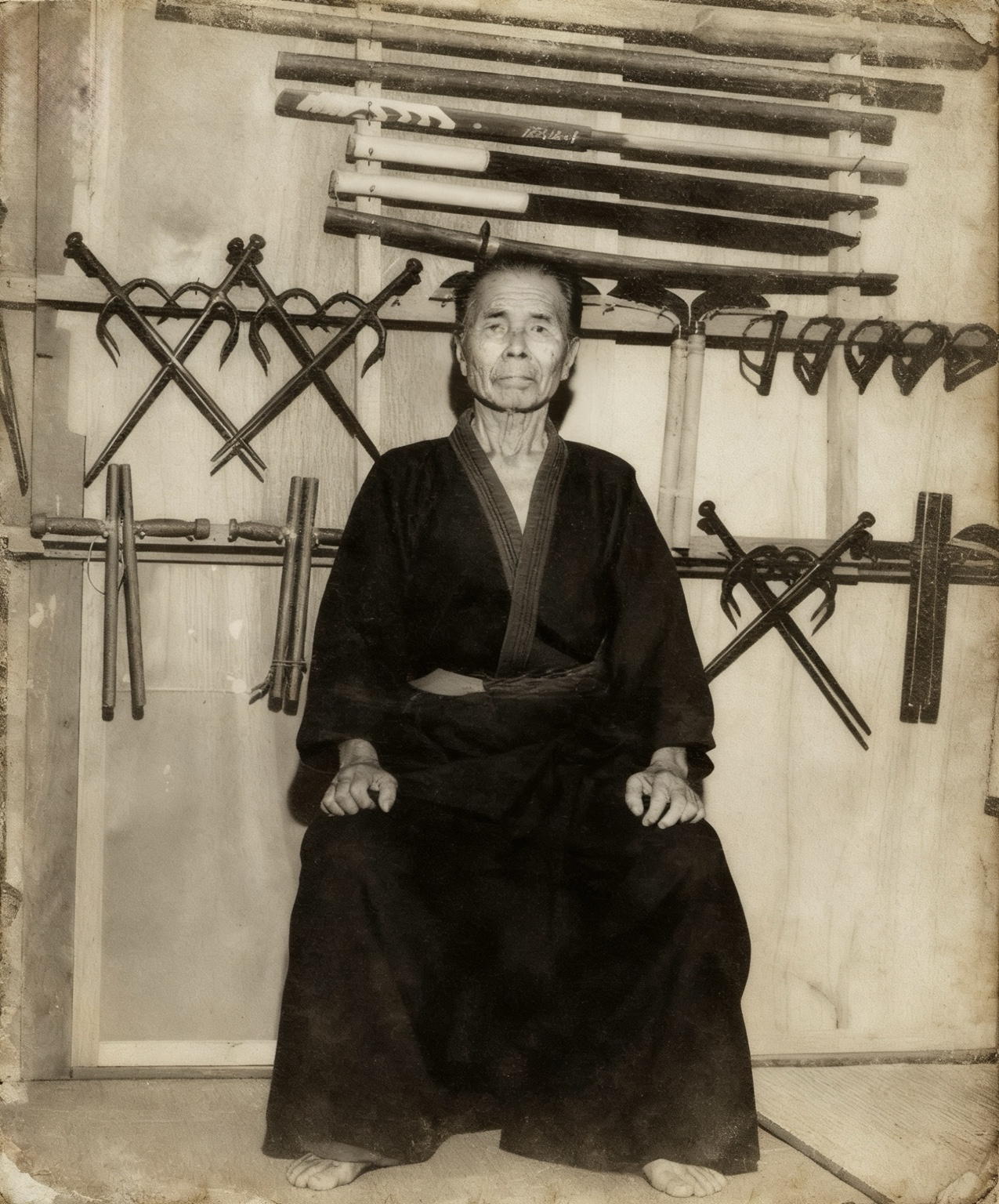
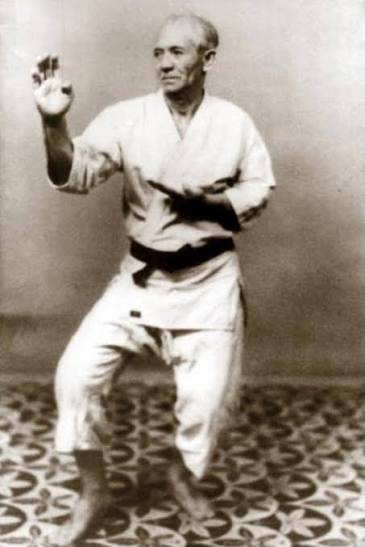
Original historical reference photographs preserved in the ISKIA archive. The identity of each numbered image is still under review; no photograph is attributed to a particular master until verified. Explore these source images alongside the documented biographies above.
Fotografías históricas originales conservadas en el archivo de ISKIA. La identidad de cada imagen numerada está pendiente de verificación; ninguna fotografía se atribuye a un maestro sin confirmación. Consulte estas imágenes junto con las biografías documentadas arriba.
Historical reference material · Not a verified portrait index.
Material de referencia histórica · No constituye un índice de retratos verificados.
Tap a photograph to enlarge it. Swipe left or right on mobile, or use the arrow keys and Escape on a keyboard. The photographs retain their original archival identities pending verification.
Toque una fotografía para ampliarla. Deslice a izquierda o derecha en el móvil, o use las flechas y Escape con un teclado. Las identidades históricas siguen pendientes de verificación.
Explore the historical masters
Explore la historia de los maestros
The archive photographs are undergoing identity verification. These established biography pages help you study the masters while original photo captions and provenance are researched. The names below do not identify the numbered photographs.
La identidad de las fotografías del archivo está en verificación. Estas páginas biográficas permiten estudiar a los maestros mientras se investigan los títulos y la procedencia de las imágenes. Los nombres siguientes no identifican las fotografías numeradas.
Teruo Hayashi y Yoshimi Inoue · Historias detalladas
Explore the complete teacher–disciple story, from Hayashi’s studies in Okinawa to Inoue’s uchi-deshi years and the founding of Inoue-ha Keishin-kai.
Explore la historia de maestro y discípulo: desde los estudios de Hayashi en Okinawa hasta los años de Inoue como uchi-deshi y la fundación de Inoue-ha Keishin-kai.
A historical journey through the roots, major masters and interconnected traditions that shaped Shitō-ryū and Inoue-ha Keishin-kai. This is a history of intersecting influences, not a claim that all masters taught one another in a single straight line.
Un recorrido histórico por las raíces, los grandes maestros y las tradiciones relacionadas que dieron forma al Shitō-ryū y a Inoue-ha Keishin-kai. Es una historia de influencias conectadas, no una afirmación de que todos los maestros se enseñaron entre sí en una única línea directa.
琉球 · THE ROOTS
Okinawa, China and the Ryūkyū Kingdom
Okinawan karate grew from local unarmed fighting traditions, shaped over centuries by exchange with Chinese martial practices and the particular history of the Ryūkyū Kingdom. Shuri, Naha and Tomari became important centers of practice. Legends about Bodhidharma or a single ancient founder should be distinguished from documented karate history.
El karate de Okinawa surgió de tradiciones locales de combate sin armas, influenciadas por intercambios con las artes marciales chinas y por la historia del Reino de Ryūkyū. Shuri, Naha y Tomari fueron centros importantes. Las leyendas sobre Bodhidharma o un fundador único deben distinguirse de la historia documentada.
首里手 · SHURI-TE
Sakugawa, Matsumura and Ankō Itosu
Kanga Sakugawa and Sōkon Matsumura are important figures in accounts of early Shuri-te transmission. Ankō Itosu later helped make karate accessible through Okinawan school instruction and the Pinan kata. Early teacher-student links are sometimes reconstructed from later lineage accounts and should not all be treated as equally documented.
Kanga Sakugawa y Sōkon Matsumura figuran en los relatos sobre la transmisión temprana del Shuri-te. Ankō Itosu impulsó la enseñanza del karate en las escuelas de Okinawa y los kata Pinan. Algunos vínculos antiguos proceden de tradiciones transmitidas posteriormente y requieren cautela histórica.
那覇手 · NAHA-TE
Kanryō Higaonna and the Naha tradition
Kanryō Higaonna helped shape the Naha-te tradition, known for close-range methods, coordinated breathing and kata practice. His teachings influenced Chōjun Miyagi and Kenwa Mabuni. Naha-te and Shuri-te were interacting traditions rather than sealed or mutually exclusive systems.
Kanryō Higaonna contribuyó al desarrollo del Naha-te, asociado con métodos de corta distancia, respiración coordinada y kata. Sus enseñanzas influyeron en Chōjun Miyagi y Kenwa Mabuni. Naha-te y Shuri-te no fueron sistemas completamente aislados.
糸東流 · SHITŌ-RYŪ
Kenwa Mabuni: preserving two major streams
Kenwa Mabuni (1889–1952) studied with both Ankō Itosu and Kanryō Higaonna, as well as other teachers. He brought a remarkable range of Okinawan kata and their applications into his system. The name Shitō-ryū honors Itosu and Higaonna through readings of the first characters of their surnames. Mabuni moved to Osaka and helped establish Okinawan karate on mainland Japan.
Kenwa Mabuni (1889–1952) estudió con Ankō Itosu y Kanryō Higaonna, además de otros maestros. Conservó un amplio repertorio de kata de Okinawa y sus aplicaciones. El nombre Shitō-ryū honra a Itosu e Higaonna mediante la lectura de los primeros caracteres de sus apellidos. Mabuni se estableció en Osaka y difundió el karate en Japón.
正心会 · SEISHIN-KAI
Kōsei Kuniba and the bridge to Hayashi
Kōsei Kuniba, a student of Mabuni, was the principal early Shitō-ryū teacher of Teruo Hayashi. Hayashi later served as president of Seishin-kai and handed its leadership to Shōgō Kuniba in 1970. This organizational history is a vital bridge between Mabuni’s Shitō-ryū and Hayashi’s later school.
Kōsei Kuniba, alumno de Mabuni, fue el principal maestro de Shitō-ryū de Teruo Hayashi en su formación inicial. Hayashi presidió Seishin-kai y entregó su dirección a Shōgō Kuniba en 1970. Esta historia conecta el Shitō-ryū de Mabuni con la escuela posterior de Hayashi.
林 輝男 · HAYASHI-HA
Sōke Teruo Hayashi: research, Okinawa and Kobudō
Teruo Hayashi (1924–2004) expanded his Shitō-ryū training through studies in Okinawa with Shōshin Nagamine and Kenkō Nakaima, encountering Shuri/Tomari kata traditions and Ryūei-ryū. He established Hayashi-ha Shitō-ryū and was associated with Kenshin-ryū Kobudō. His demanding training and instruction deeply influenced his disciple Yoshimi Inoue.
Teruo Hayashi (1924–2004) amplió su formación de Shitō-ryū estudiando en Okinawa con Shōshin Nagamine y Kenkō Nakaima, conociendo tradiciones de Shuri/Tomari y Ryūei-ryū. Fundó Hayashi-ha Shitō-ryū y estuvo vinculado a Kenshin-ryū Kobudō. Su enseñanza exigente influyó profundamente en Yoshimi Inoue.
井上 · INOUE-HA
Sōke Yoshimi Inoue: from uchi-deshi to Keishin-kai
Yoshimi Inoue (1946–2015) became Hayashi’s resident disciple in Osaka. He later returned to Tottori, built an internationally respected center for kata training and coached leading world competitors. After Hayashi’s death, he founded Inoue-ha Shitō-ryū Keishin-kai in 2005. His teaching connected inherited traditions with an exceptional attention to technical precision.
Yoshimi Inoue (1946–2015) fue discípulo interno de Hayashi en Osaka. Más tarde regresó a Tottori, donde desarrolló un centro de entrenamiento de kata reconocido internacionalmente y formó destacados competidores. Después del fallecimiento de Hayashi fundó Inoue-ha Shitō-ryū Keishin-kai en 2005. Su enseñanza unió la tradición con una precisión técnica excepcional.
慶心会 · ISKIA
The legacy continues through Kyoshi Julio Martínez
The heritage carried by ISKIA International of America is part of this larger history. Kyoshi Julio Martínez continues the teachings received through Sōke Yoshimi Inoue and the broader martial traditions he has studied. The responsibility of each generation is to preserve authentic teachings, acknowledge its teachers accurately and transmit knowledge with discipline, respect and integrity.
El patrimonio de ISKIA International of America forma parte de esta historia más amplia. Kyoshi Julio Martínez continúa las enseñanzas recibidas a través de Sōke Yoshimi Inoue y las demás tradiciones marciales que ha estudiado. Cada generación tiene la responsabilidad de conservar las enseñanzas auténticas, reconocer correctamente a sus maestros y transmitir el conocimiento con disciplina, respeto e integridad.
For deeper historical chapters on Hayashi Sensei and Inoue Sensei, continue to the two-masters biography.
Para conocer en profundidad las historias de Hayashi Sensei e Inoue Sensei, consulte sus biografías especiales.